Animeidhen (2026 Guide): What It Is, Why Fans Love It, and How to Use It Safely in the USA
Finding easy keywords to rank on Google is wonderful. Yet, truly helpful content always wins the top spot every single time. Today, we explore the popular website called Animeidhen that many fans talk about. This platform has gained massive attention from people who love watching Japanese animation. Users often look for places to watch their favorite anime series without paying high fees. We will dive deep into what this site offers and why it attracts so many viewers. You will also learn about the potential risks and the best safe alternatives available. Understanding these facts helps you make smart choices for your entertainment needs.

What Exactly Is the Animeidhen Website?
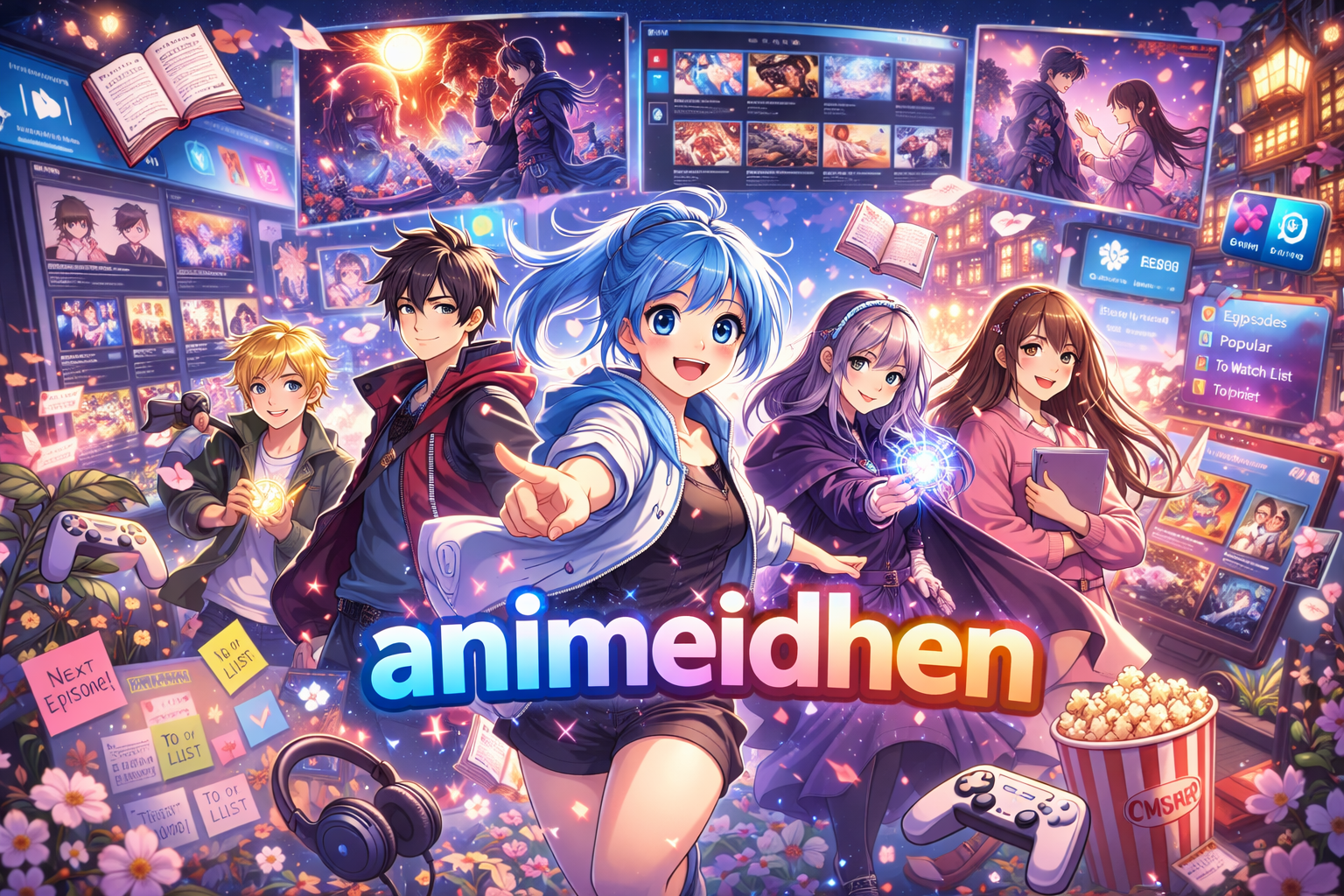
The Animeidhen website is an online platform that hosts animated video content. It allows users to stream various television shows and movies directly from their browsers. The site features a very simple layout that makes finding videos incredibly easy. Many young viewers visit this platform to watch trending Japanese cartoons for free. However, it operates in a very gray area regarding official broadcasting licenses. This means the content is usually uploaded without permission from the original creators. Knowing this important fact helps you understand the true nature of the website.

How Does Animeidhen Attract So Many Viewers?
The main reason people visit Animeidhen is the powerful promise of free entertainment. Official streaming services like Crunchyroll require a paid subscription to access new episodes. This platform bypasses those paywalls and offers brand new shows completely free of charge. It also uploads episodes very quickly after they air on television in Japan. The website features a massive library filled with both classic and modern anime titles. For many fans, this convenience simply outweighs the negative aspects of the site. Free access is a very strong draw for students and young fans everywhere.
Are There Hidden Dangers When Using Animeidhen?
Visiting unofficial streaming sites like Animeidhen comes with several serious risks. The biggest danger is the high chance of getting harmful computer viruses or malware. These malicious programs can secretly steal your personal passwords and private data. The website also relies heavily on annoying popup advertisements to make money. Clicking on the wrong ad can instantly redirect you to unsafe websites. Furthermore, your internet service provider can easily see that you are visiting these sites. Protecting your personal devices should always be your absolute top priority online.
- High risk of downloading harmful computer viruses
- Annoying popup ads that can redirect to bad sites
- Potential theft of your private passwords and data
- No customer support if a video fails to play
- Unstable video quality that buffers very frequently

Does Animeidhen Offer Good Video Quality?
The video quality on Animeidhen can be very unpredictable and frustrating. Some episodes might play in clear high definition without any annoying buffering issues. Other times, the video might look incredibly blurry and pixelated during action scenes. The audio can also fall out of sync with the character voices very easily. Since the files are uploaded by random people, the quality is never guaranteed. Official streaming platforms always provide perfectly consistent and reliable video playback every time. You deserve a smooth and beautiful viewing experience for your favorite shows.

What Are the Best Legal Alternatives to Animeidhen?
You have many fantastic legal alternatives that are much safer than Animeidhen. Crunchyroll is the absolute best platform for watching licensed Japanese animation. It offers incredible high definition video and highly accurate subtitle translations. Another great option is Netflix, which features many popular and exclusive anime titles. Funimation also provides a wonderful library of dubbed content for fans who dislike reading. HIDIVE is a smaller but rapidly growing service with amazing classic shows. These trusted platforms directly support the hardworking artists who create your favorite content.
How Do Legal Platforms Support Anime Creators?
Paying for a subscription on a legal site directly funds the amazing anime creators. When you watch shows on Animeidhen, the original artists do not receive a single penny. The animation studios rely heavily on official streaming revenue to pay their hardworking staff. By using trusted platforms like Crunchyroll, you help studios produce more wonderful seasons. Your financial support ensures that talented voice actors and animators get fair wages. True fans always want to see their favorite industry grow and succeed beautifully. Supporting the creators is the right thing to do for the art form.

Can You Get in Trouble for Using Animeidhen?
Many users worry about getting into legal trouble for visiting Animeidhen. In most countries, simply watching a streamed video is not a severe criminal offense. However, downloading and distributing the copyrighted content is highly illegal and risky. Internet service providers might send you a warning letter about your online activity. Some countries block these websites entirely to protect intellectual property rights. To avoid any stressful situations, it is always best to use official platforms. Staying completely legal gives you wonderful peace of mind while watching television shows.
Is Animeidhen Safe to Use on a Mobile Phone?
Using Animeidhen on a mobile phone is just as risky as using a computer. Smartphones can easily catch malicious software from the dangerous popup advertisements. These harmful files can drain your battery, slow down your phone, and steal data. The website is often not optimized for small mobile screens either. This makes navigating through the massive show library very frustrating and difficult. Official mobile apps from legal services offer a beautifully smooth and safe experience. Protecting your expensive mobile devices should always remain a very high priority for you.
Complete Animeidhen Comparison Detailing Table
Here is a helpful and detailed table for all the wonderful readers. It clearly compares the unofficial Animeidhen website with trusted legal streaming platforms. You can use this easy guide to see why legal options are much better for everyone. This clear format makes understanding the differences very simple and highly effective today.
| Feature Category | Animeidhen Experience | Legal Streaming Sites | Best Choice |
|---|---|---|---|
| Cost to User | Completely Free | Paid Subscription | Legal Sites |
| Video Quality | Unpredictable | High Definition | Legal Sites |
| Safety Level | Very Risky | Totally Safe | Legal Sites |
| Creator Support | Zero Support | Fully Funded | Legal Sites |
| Mobile App | None Available | Excellent Apps | Legal Sites |
Frequently Asked Questions
Watching shows on Animeidhen is not legal because the site lacks official broadcasting licenses. The platform distributes copyrighted content without paying the original animation studios. You should always choose legal streaming services to avoid any potential trouble.
Animeidhen relies heavily on popup ads because it does not charge users a subscription fee. These aggressive advertisements are the only way the website makes any money. Unfortunately, many of these ads can lead to dangerous and unsafe websites.
No, Animeidhen does not have an official mobile application on any app store. Any app claiming to be Animeidhen is likely a fake and could harm your device. You should only download official apps from trusted platforms like Google Play.
Yes, visiting Animeidhen can easily give your computer a harmful virus. The website is full of tricky advertisements that contain malicious software. You should always use strong antivirus software if you ever accidentally visit these risky sites.
If Animeidhen gets shut down, you will simply lose access to your watchlist and history. The website frequently changes its web address to avoid being closed by authorities. This unreliable behavior makes it a very poor choice for long term entertainment.
Yes, some legal platforms offer free tiers with advertisements. Crunchyroll has a free version that lets you watch select shows without paying. Tubi also offers a rotating library of completely legal and safe anime titles.
Conclusion: Choose Safe Streaming Options Today
The amazing world of Japanese animation deserves your complete and honest support. While Animeidhen offers free content, the hidden risks are simply not worth taking. You now know exactly why legal streaming platforms are the much better choice overall. They provide gorgeous video quality, wonderful safety, and direct support to hardworking creators. Make the smart decision to cancel any visits to unverified websites right now. Sign up for a fantastic free trial on a trusted platform like Crunchyroll today. Share this helpful guide with your friends to help them stay safe online. Leave a lovely comment below telling us about your favorite officially licensed anime series.